
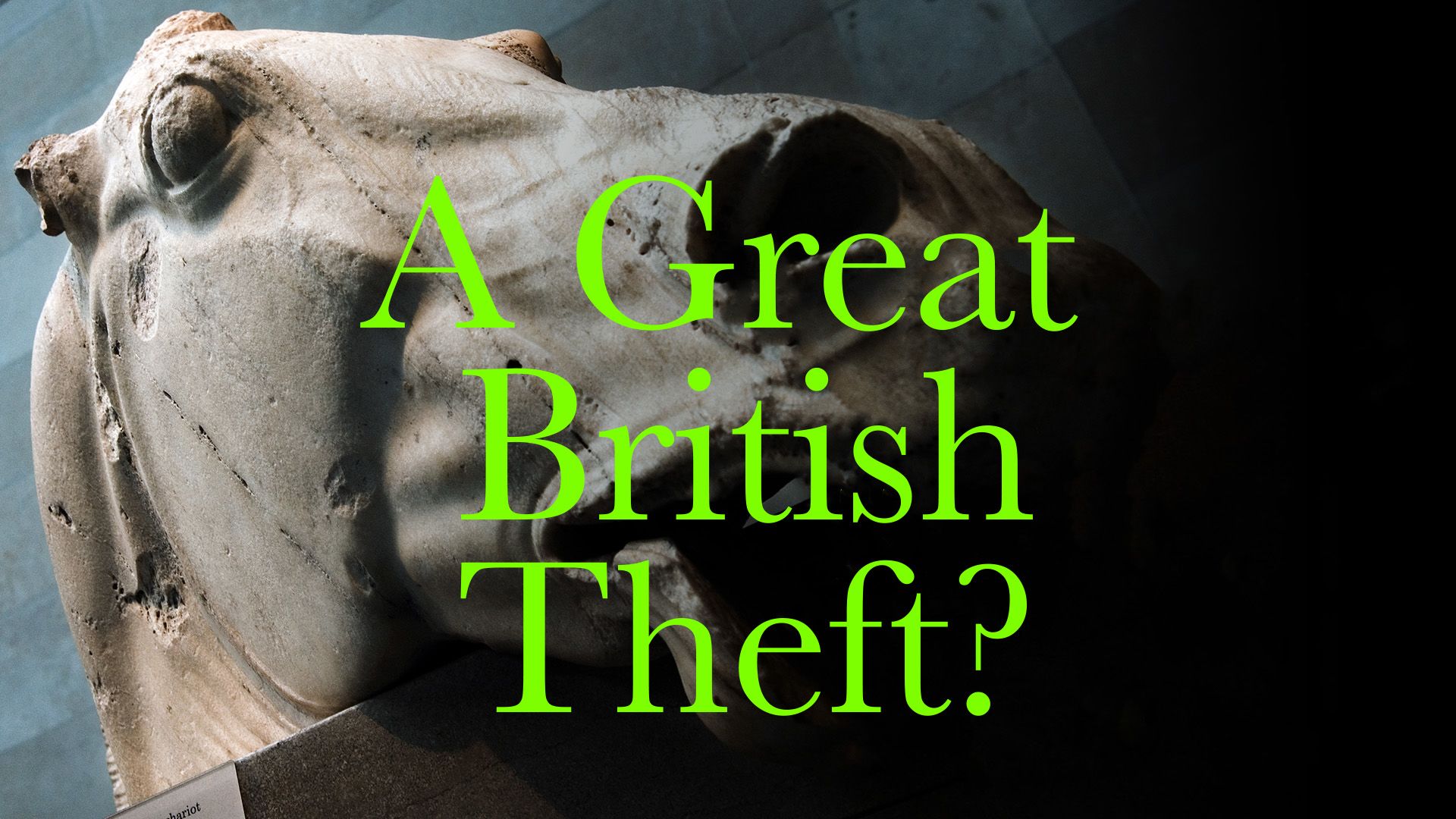


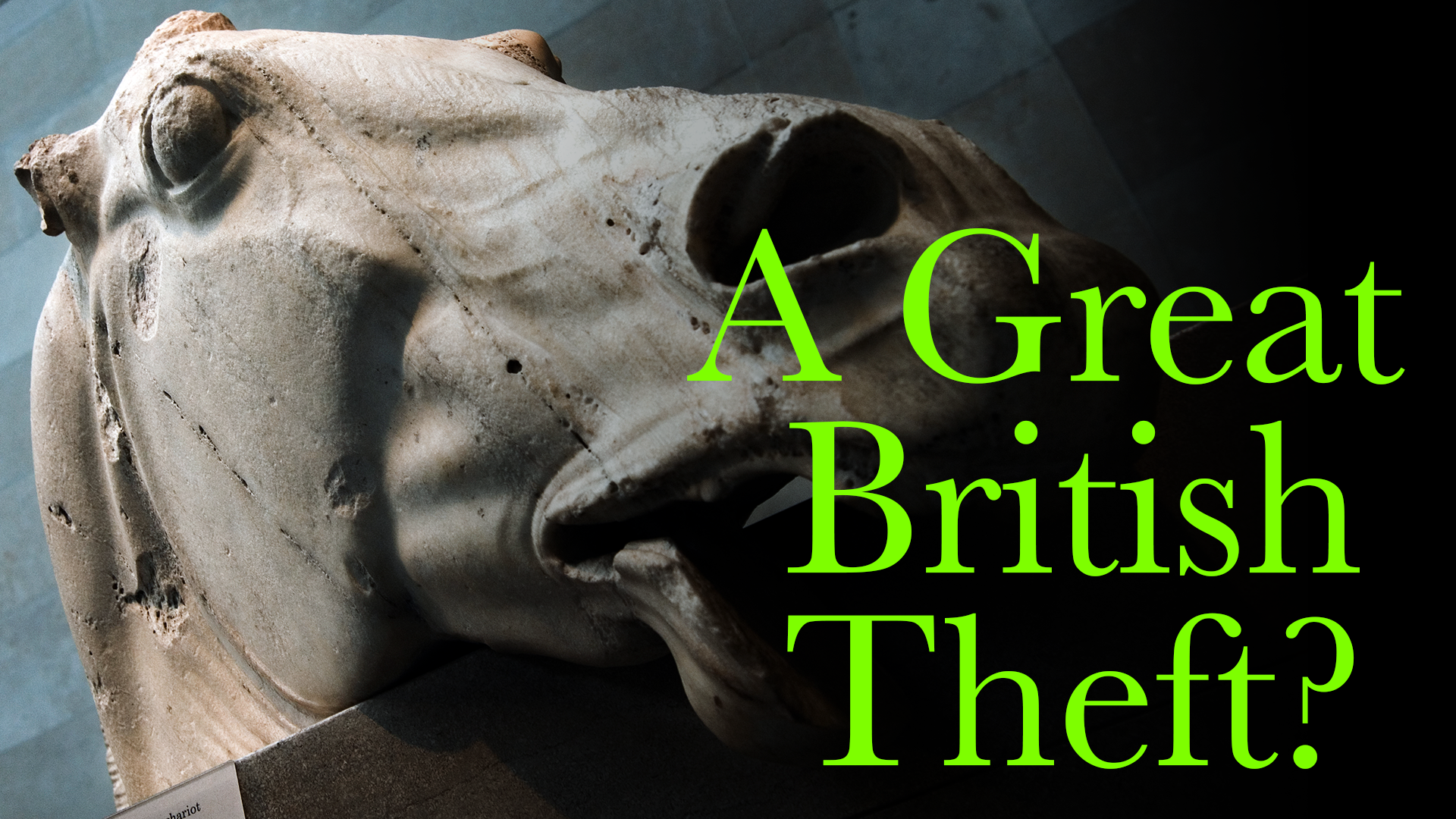
A tale of ambition, adultery, shipwreck, war and corruption: If you thought the history of the 'Elgin Marbles' was just about a load of dusty old stones, think again.
A new film by CGTN Europe unearths the fascinating and colorful story behind one of the world's longest-running cultural property disputes, a bitter argument which has bedevilled relations between Britain and Greece for more than two centuries and remains unresolved to this day.
Presented by Jamie Owen, the hour-long film criss-crosses the continent, using stunning cinematography to explain how Greece's most prized national treasures ended up in the British Museum, thanks to the ambition of Scottish peer Lord Elgin – and why the Greeks still want them back.

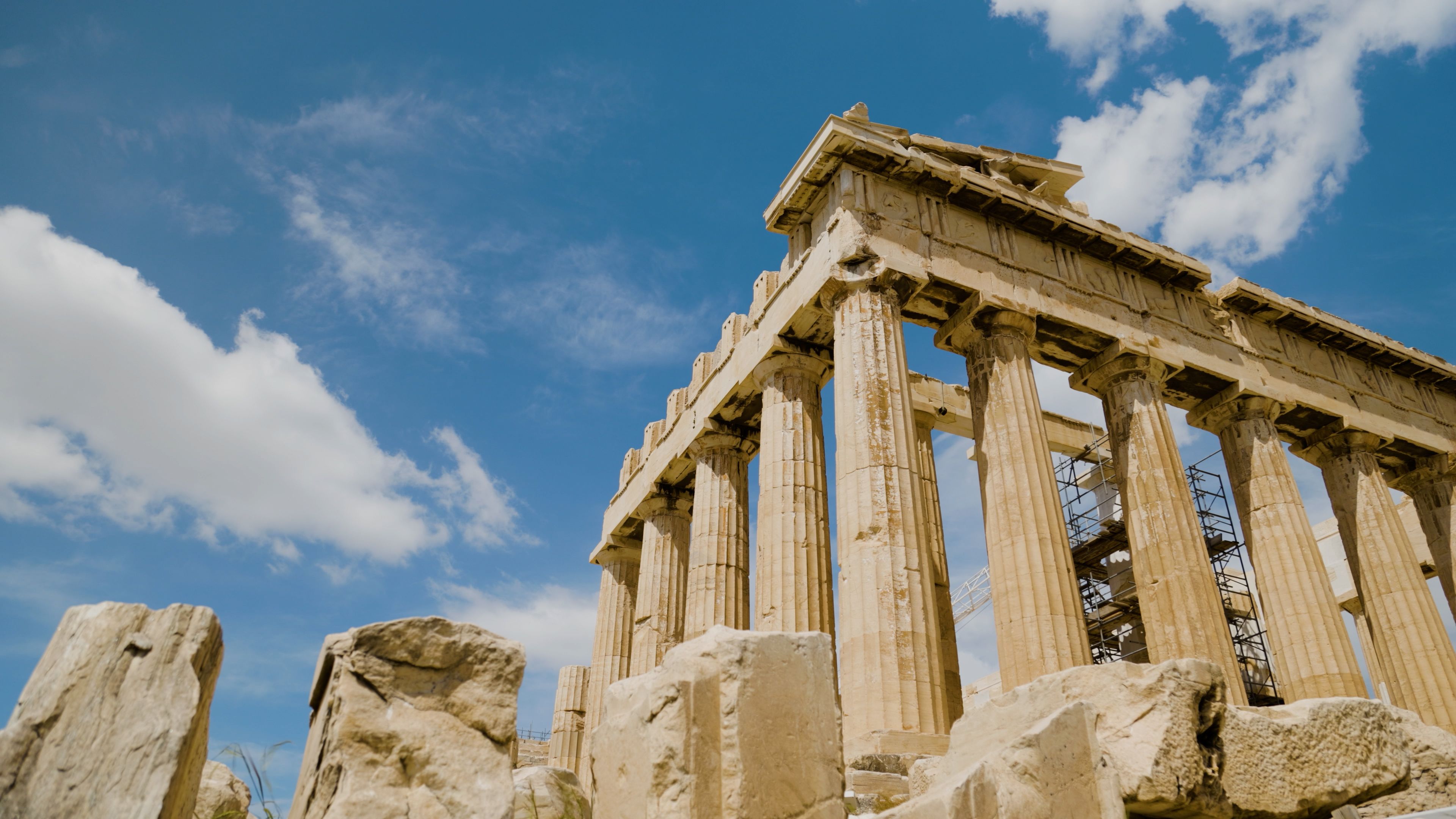

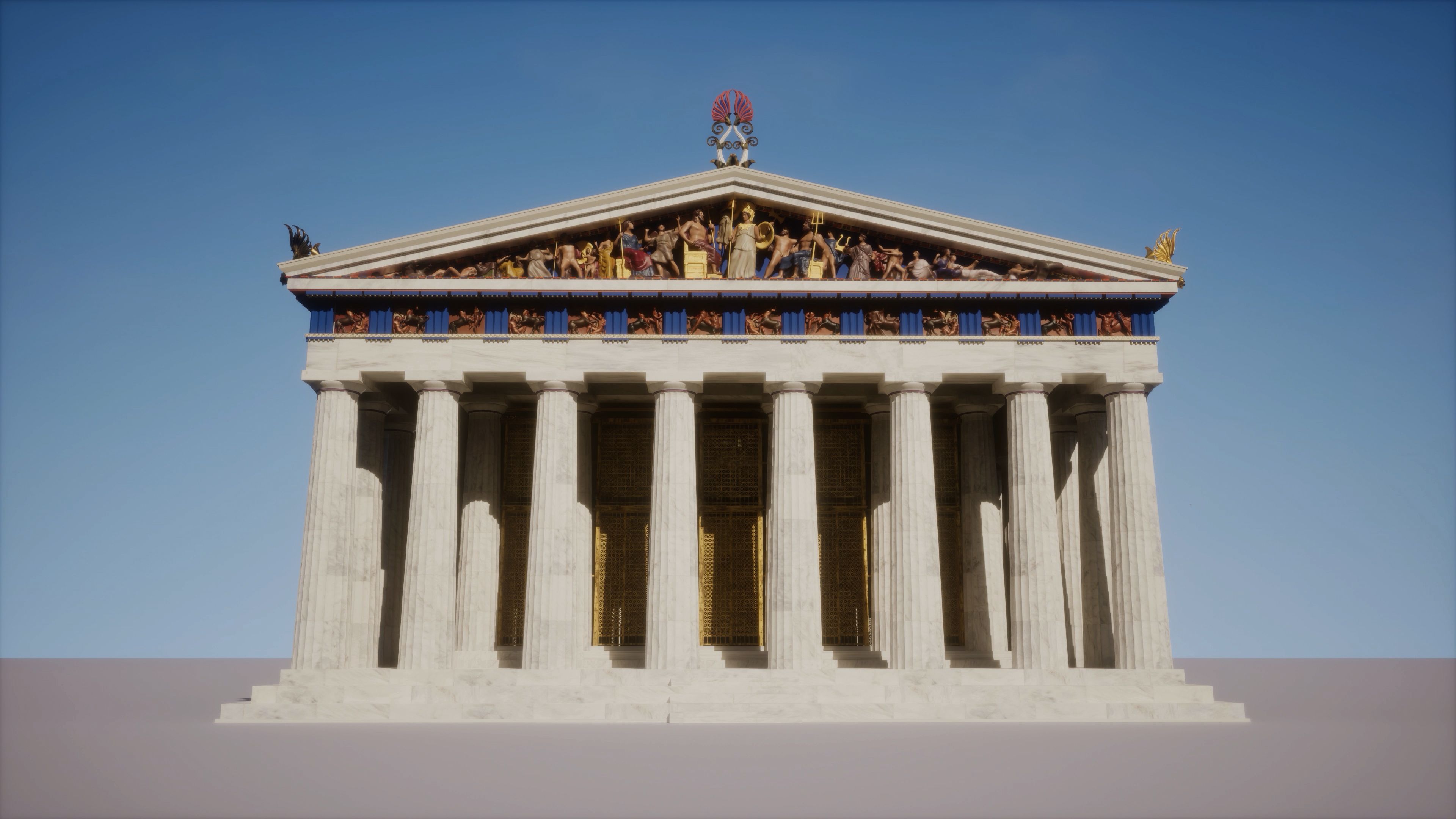

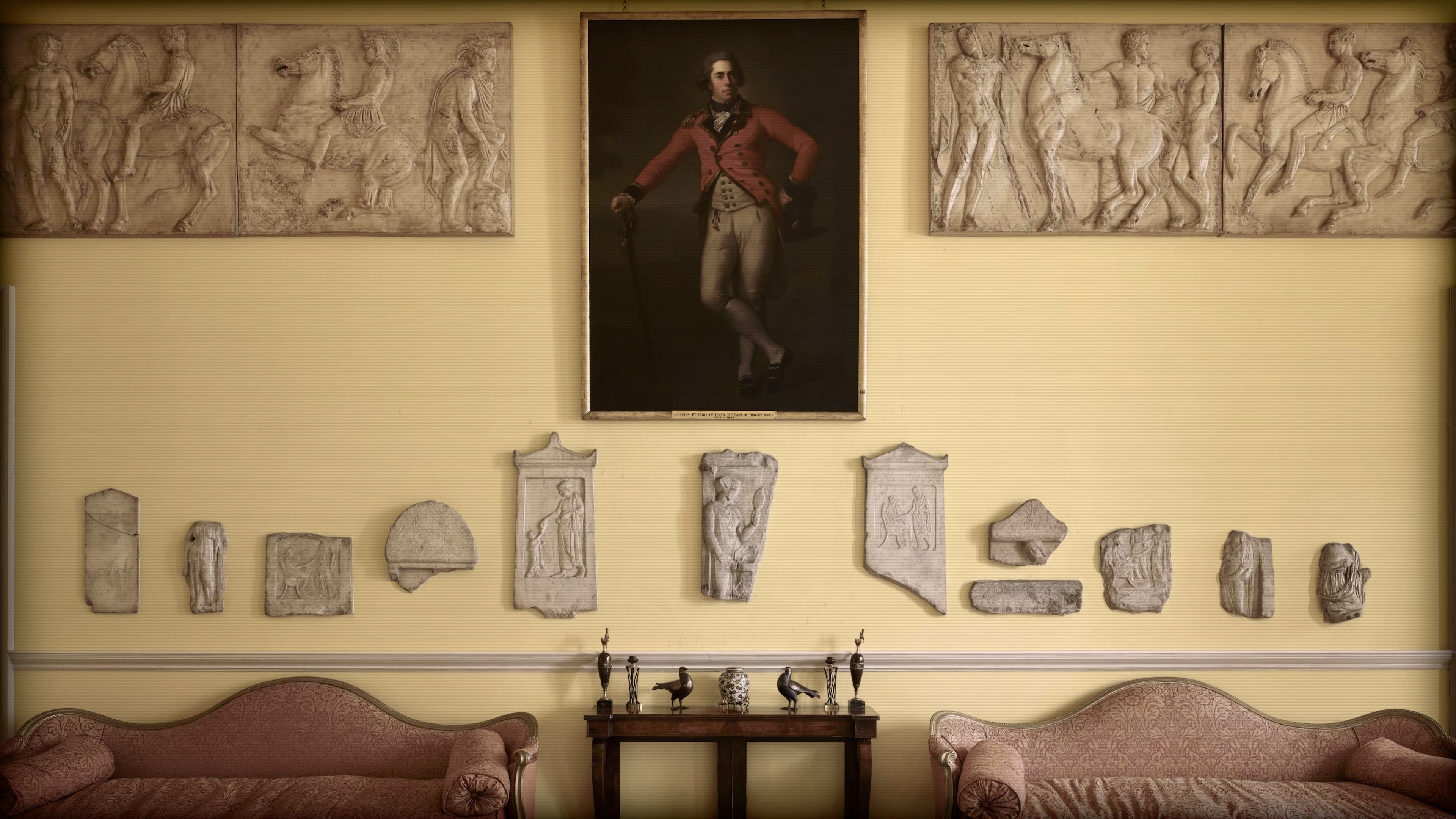
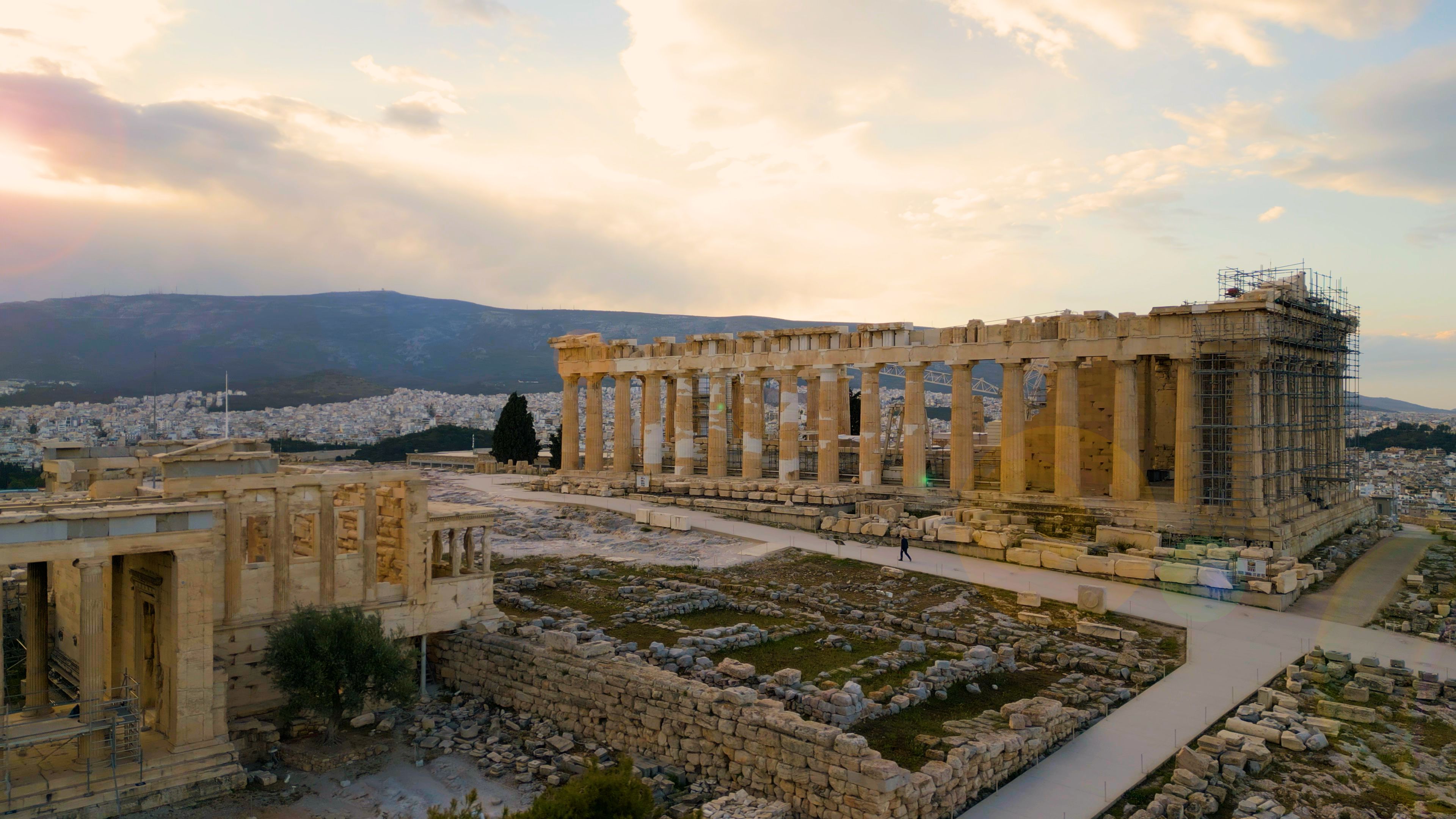
The 2,500-year-old Parthenon temple on the Acropolis in Athens was one of the supreme artistic achievements of classical Greece.
In the early 19th century, Lord Elgin hired hundreds of workmen to remove half its surviving sculptures, but his claim of permission from the Ottoman Turkish authorities who ruled Athens is still hotly disputed.

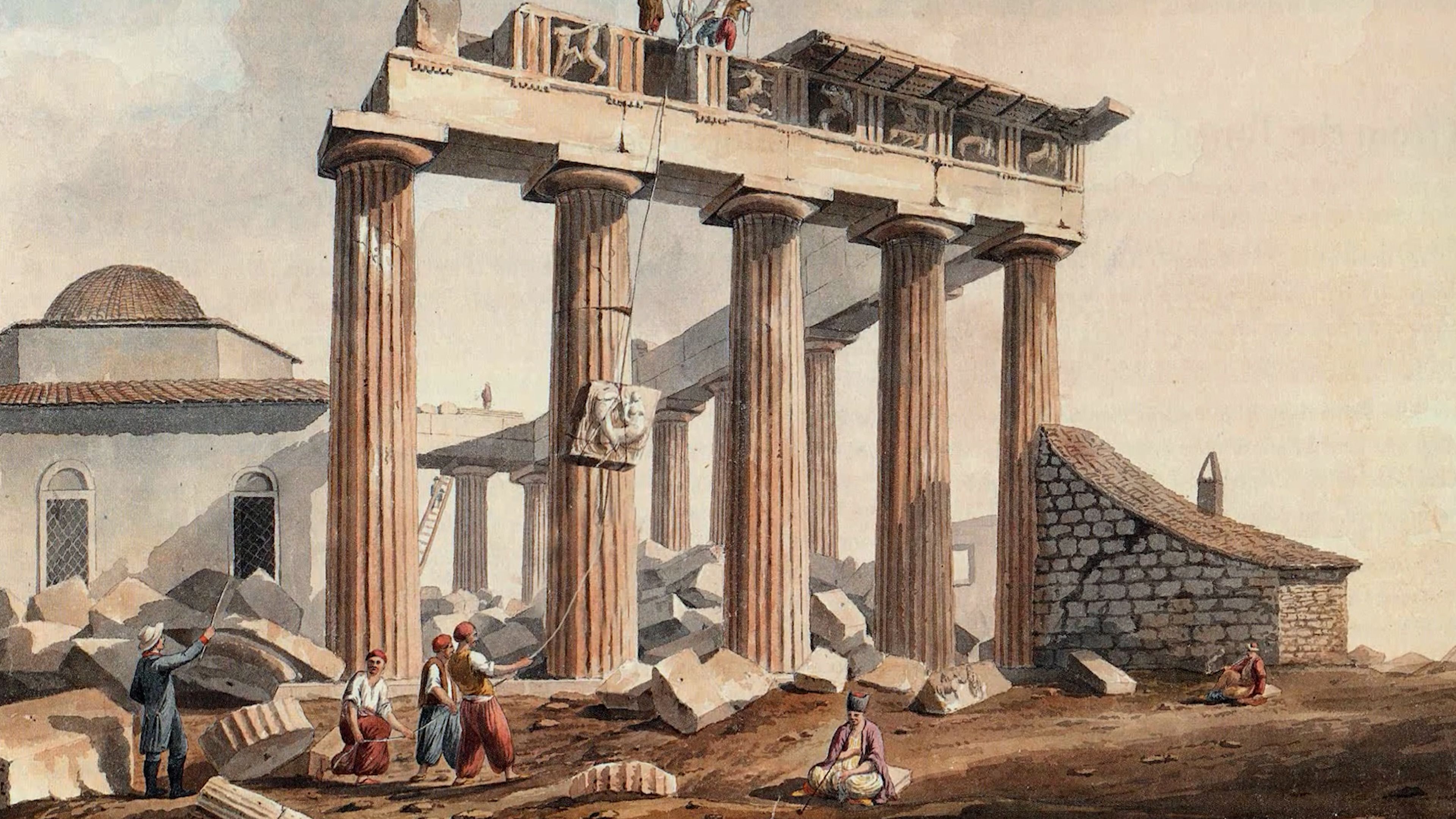
The young aristocrat was British ambassador to the court of the Sultan in Constantinople (now Istanbul) at a time when Britain and the Ottomans were both at war against revolutionary France: an alliance that helped Elgin advance his personal project.
He wanted to redecorate his family home – Broomhall House in Scotland – with the finest classical art, but could only afford the huge project thanks to the immense wealth his wife, Mary (née Nisbet), brought to their marriage.
Author Karen Essex, who studied the couple's letters when researching her book Stealing Athena, says that while Elgin had famous aristocratic lineage, he had little wealth:
"By the time Elgin was a grown-up, there was absolutely no money whatsoever.
"Mary's family was, of course, very ambitious for her, and marrying into a titled family was very prestigious, so, in addition to the fact that they seem to really like each other, it was a perfect marriage of money and title.
"She was the money. She was all the money! By the time she met our Elgin, he was already greatly in debt."
At one point in the operation to remove the marbles, Mary even had to fund the two-year effort to salvage a shipload of sculptures which sank off the Greek coast on their way back to Britain. The CGTN documentary visits the site of the wreck near the island of Kythera.
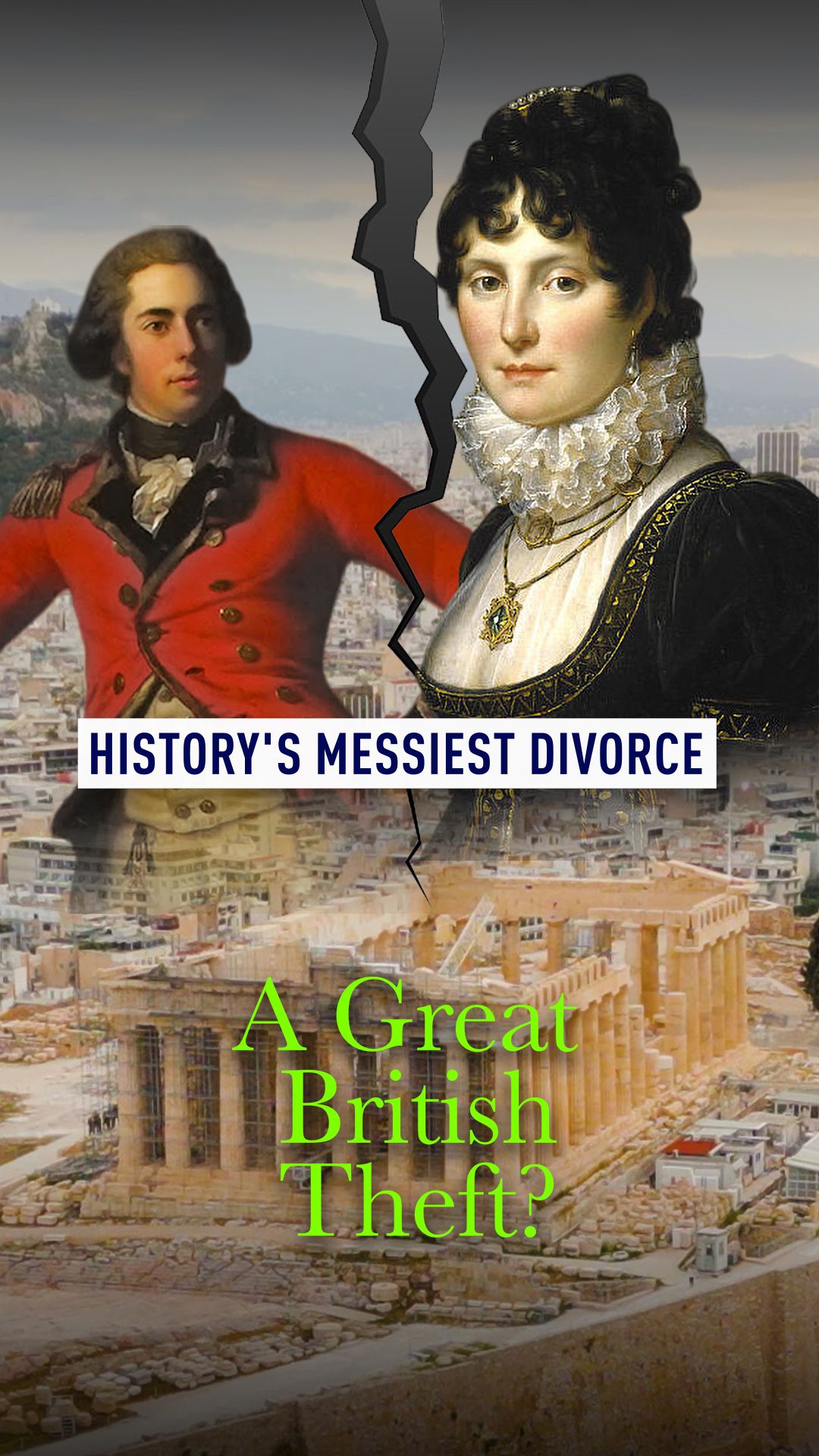
It all really started to go wrong for Lord Elgin when he was taken prisoner by Napoleon while on his way back to London from Constantinople. Mary lobbied to free him, but fell in love with another man who was helping her, leading to a scandalous divorce.
Karen Essex explains:
"So, in order to meet with Frenchmen – and we're talking about Napoleon, Talleyrand – she was escorted by Elgin's friend, Robert Ferguson. And eventually, like most men, Ferguson fell in love with Mary.
"He wrote a letter declaring his love, which somehow got into the hands of Lord Elgin. Mary was already out of love with Elgin, tired of being his breeding machine and pocketbook, and she started to return Robert Ferguson's affections. So Elgin filed for divorce, which was a very big thing at the time."
Mary's family made sure Elgin lost access to her money. Hugely in debt, he eventually persuaded the British government to buy the marbles, but only for half what he asked, and only after a parliamentary committee had questioned him about how he acquired the sculptures and whether he had used bribery to get them.

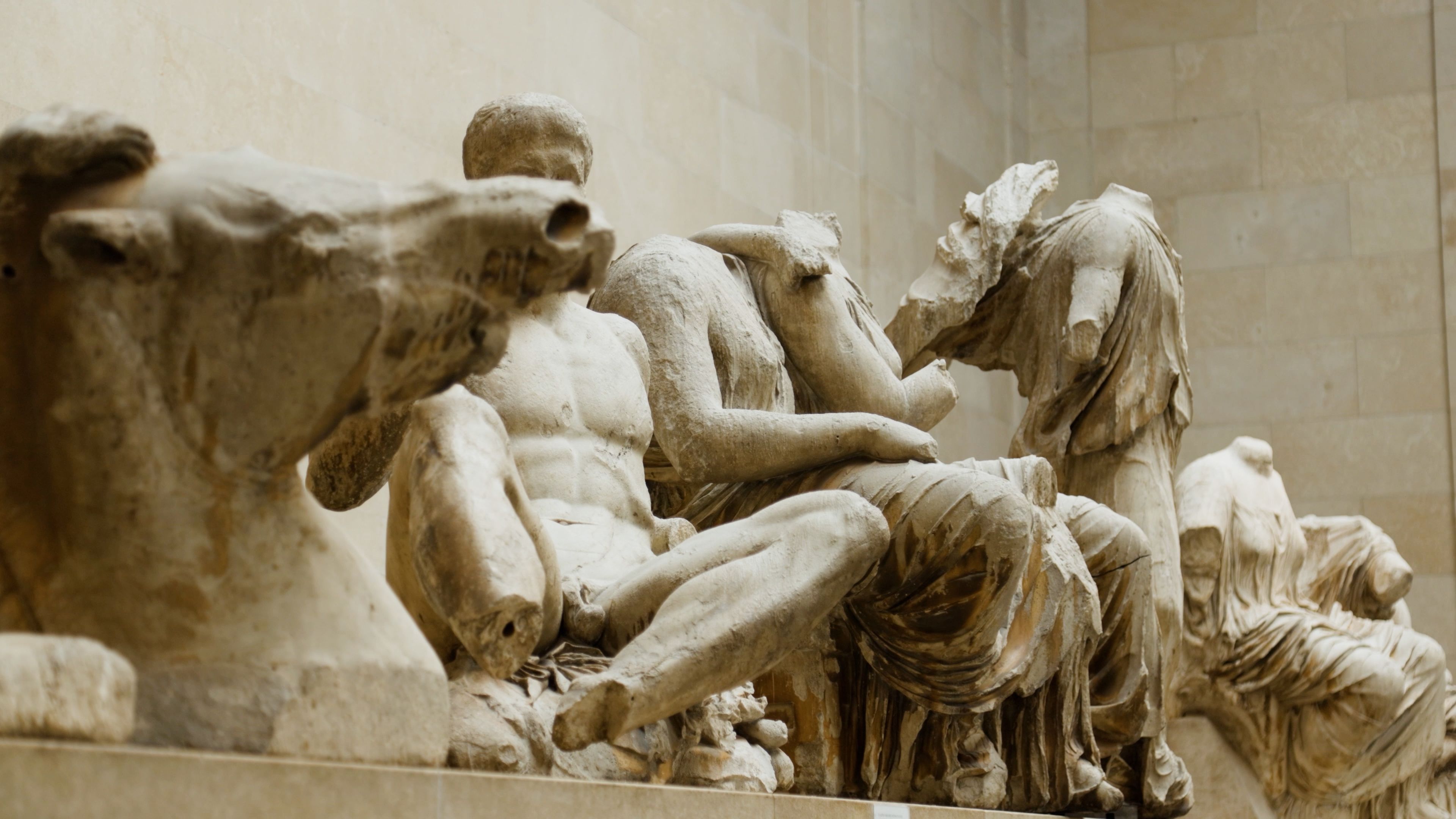


Elgin's claim that it was all above board has always been bitterly disputed. Even at the time, he was attacked by supporters of the Greek cause, like the poet Lord Byron.
In the documentary, we hear British actor Stephen Fry warn that it's a disaster for Britain's reputation to keep hanging on to the marbles.
Prominent British lawyer Mark Stephens accuses Elgin of theft:
"Lord Elgin plundered, stole the marbles from the Parthenon, so what he transported up the Thames to London was, in fact, stolen goods, and they are still stolen goods in the possession of the British Museum."
But archeologist Mario Trabucco defends Elgin:
"Where is the proof of this theft? There is not one single source on the Greek side that says, 'Oh no, it was a theft, and I have the proof here about the theft.'"
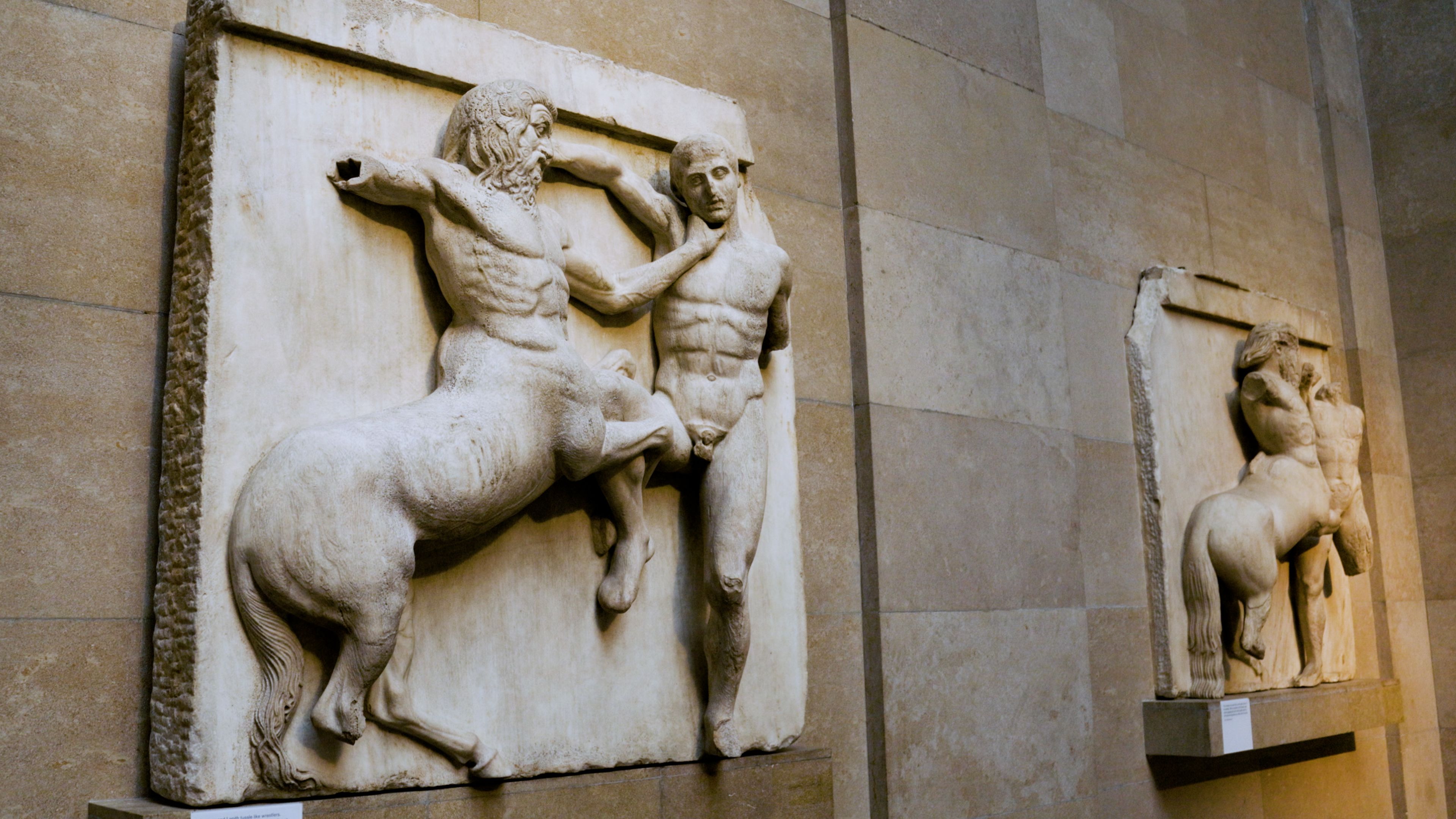
In the film, Owen inspects the sculptures in the British Museum, but no one from its management would speak on camera.
The documentary crew tour the Acropolis Museum, specially built within sight of the Parthenon.
Director Nikolaos Stampolidis tells Owen the marbles should be returned, not for the Greek nation, but for the sake of the Parthenon and what it represents for humanity. He denies it would set a precedent meaning museums around the world would have to hand back every contested item.
"It is the body of the Parthenon that needs the pieces back," he tells Owen.
"If I cut your hands and your legs, wouldn't you like them back?"
Despite recent efforts by George Osborne, the chairman of the British Museum, the dispute over the marbles is still a long way from being settled. Successive British governments have refused to change the 1963 British Museum Act, which prevents it from permanently giving up any of its collection. Greece won’t accept a temporary loan.
Director Nikolaos Stampolidis tells Owen that Elgin wanted to steal beauty, to have it for himself.
But can he forgive Elgin, Owen asks?
Yes, as a human being, says Stampolidis, but he insists the marbles must still be returned.
Jamie Owen says, "This is a rip-roaring story that should be better known. Students of history will relish this film – we have made a beautiful documentary filmed across Europe and talked to all the main players. It's been a delight to work with the production team once more."